Why Medical-Grade UPS Is Critical for Healthcare Facilities & How to Choose the Right One
07/08
2026
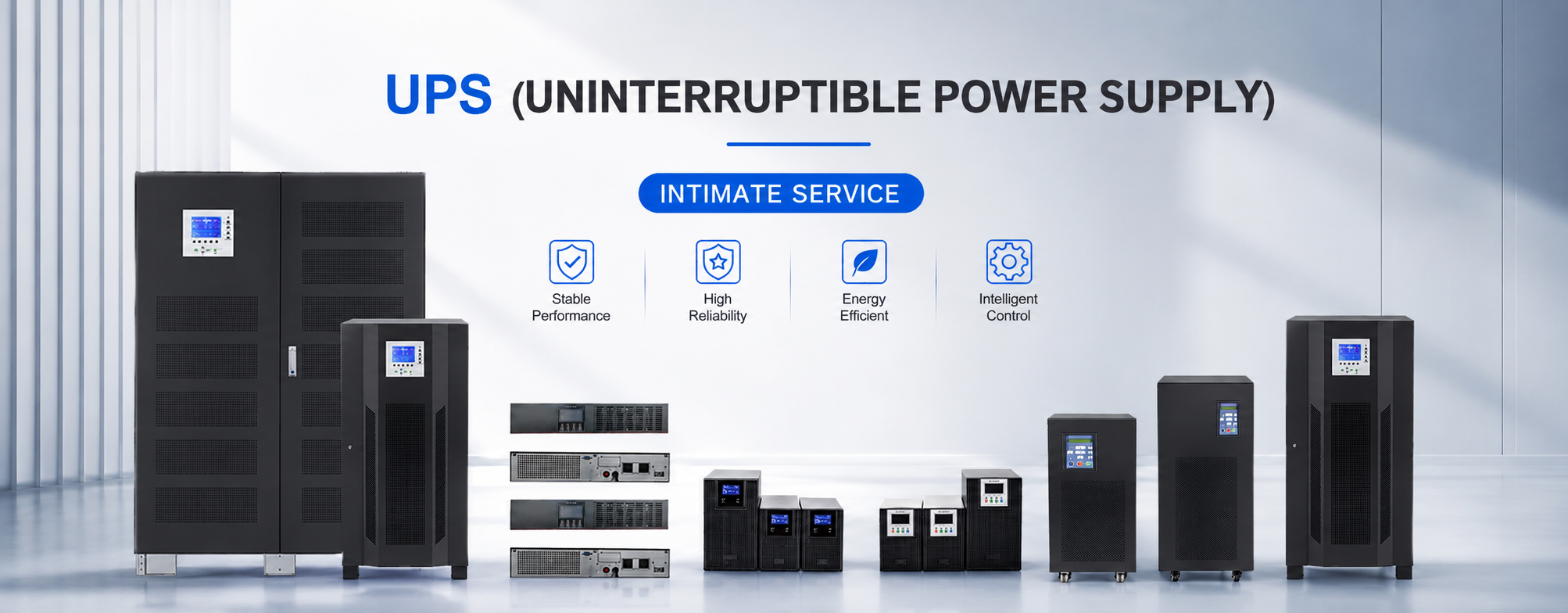
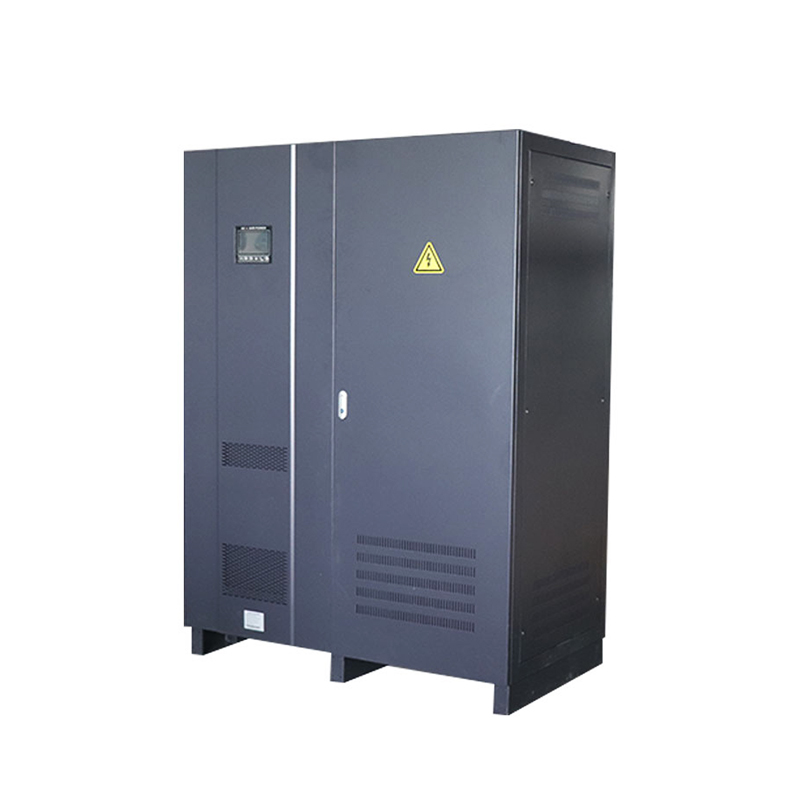
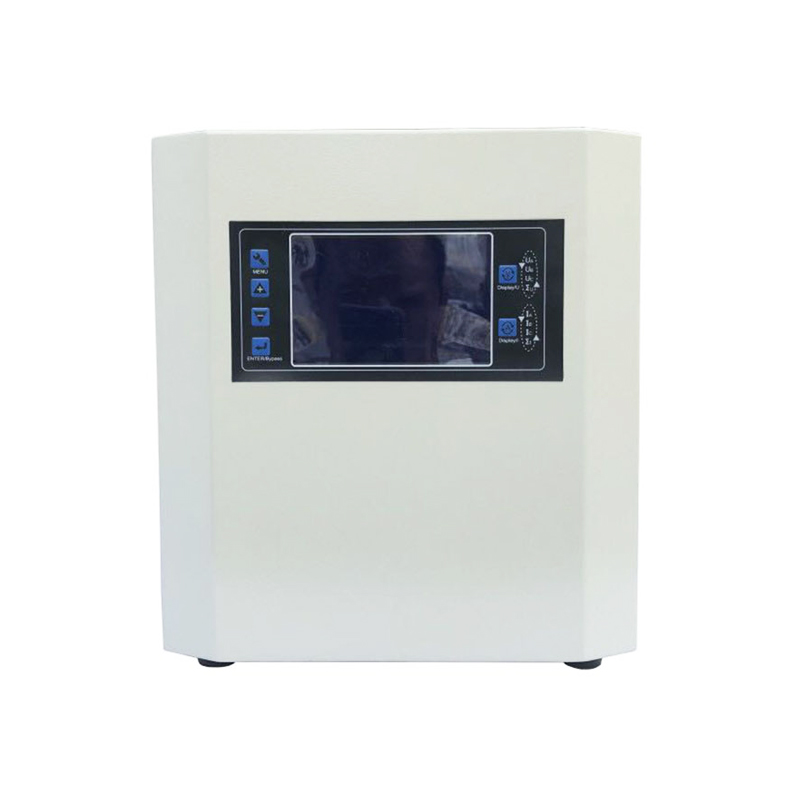
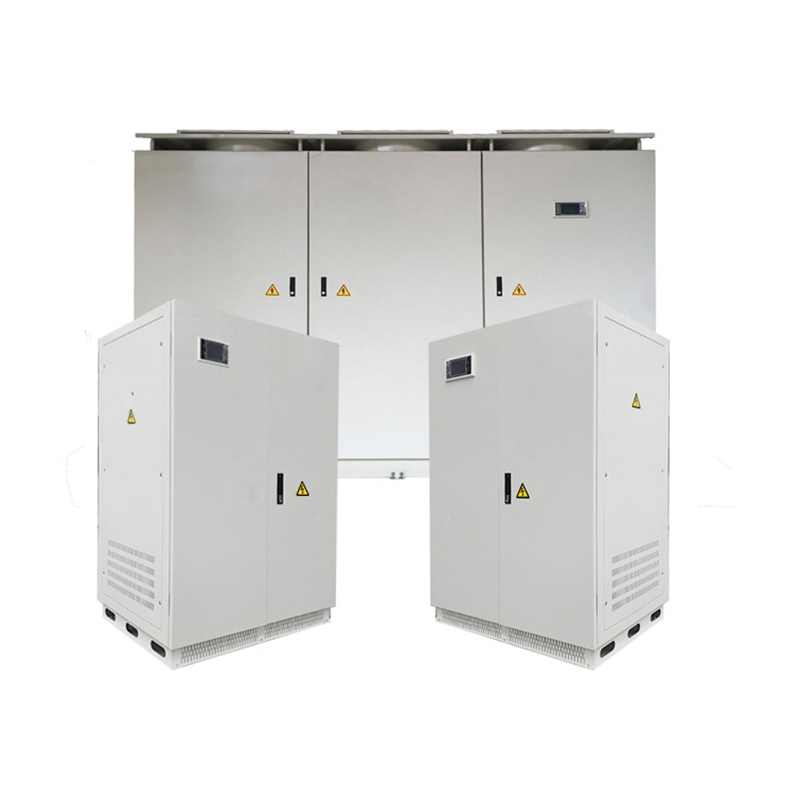
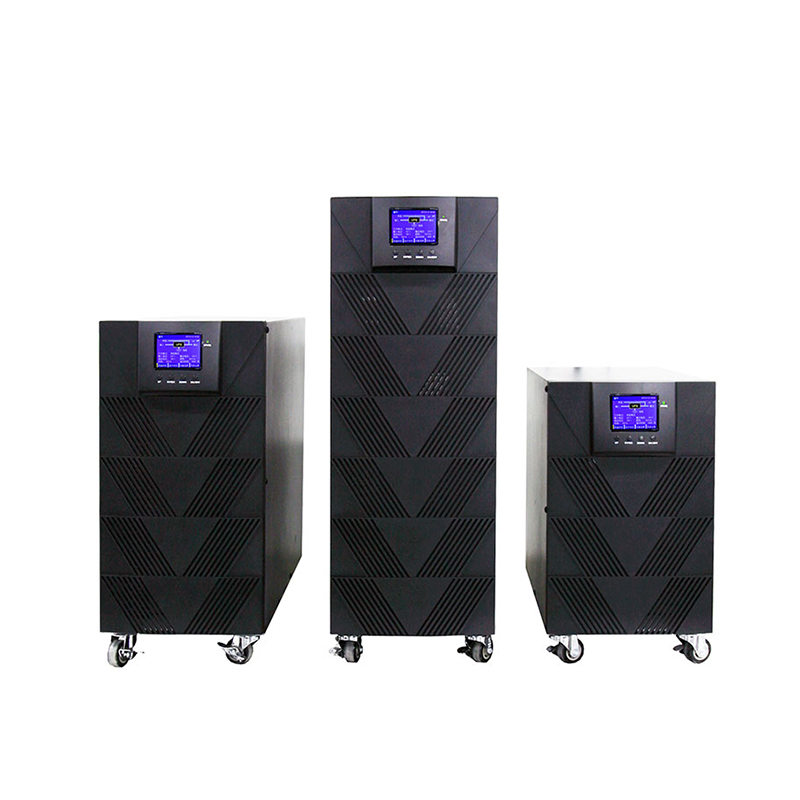
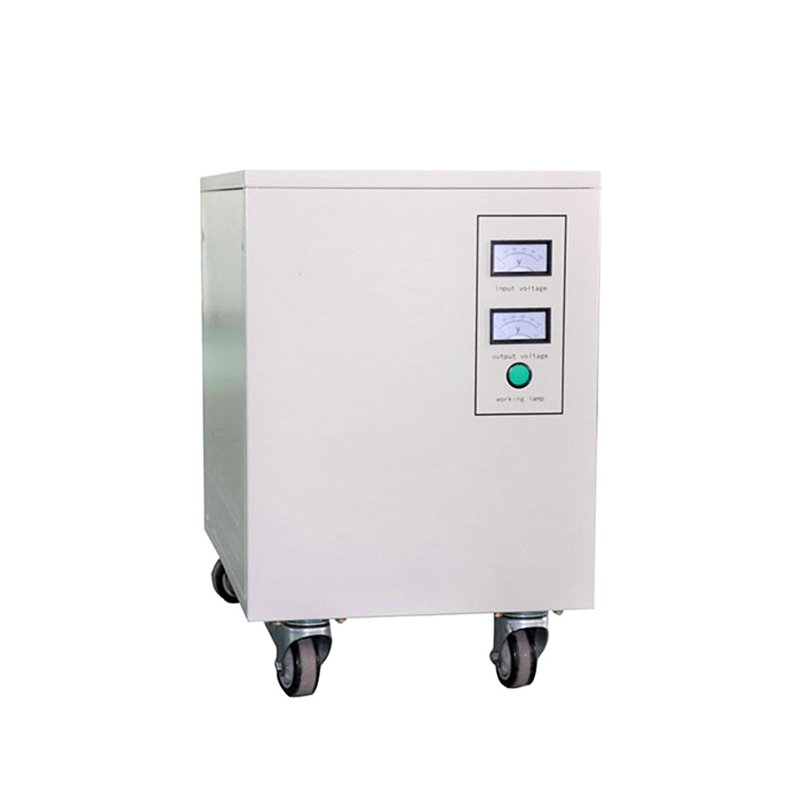
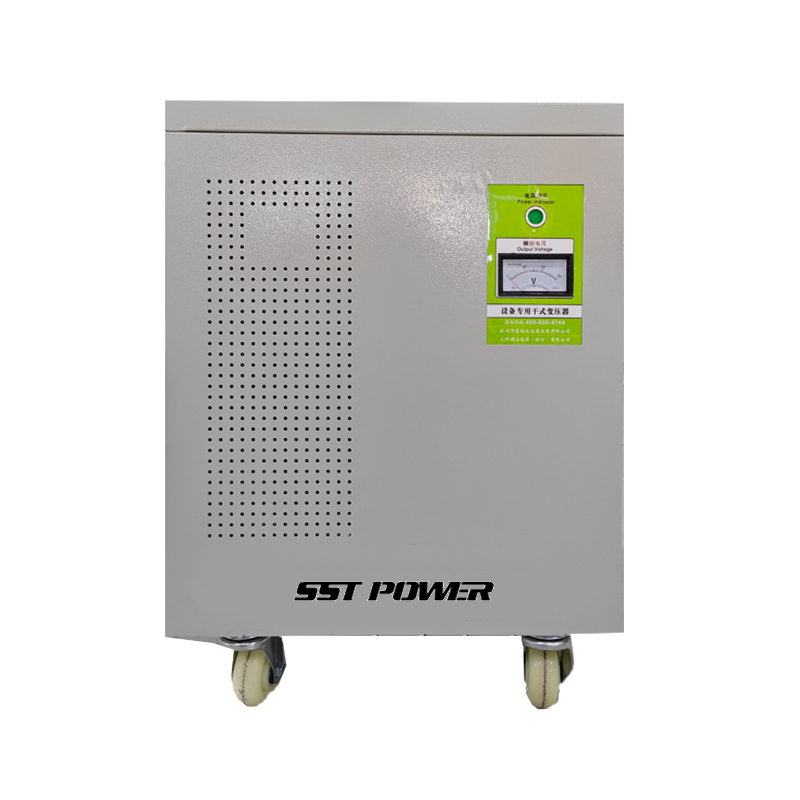
Power reliability is never more important than in healthcare settings. A single power outage, voltage surge or fluctuation can disrupt life-saving equipment, compromise patient safety, destroy valuable laboratory samples, and cost hospitals thousands of dollars in lost data and damaged devices. For hospitals, clinics, diagnostic centers and research laboratories, a standard office UPS is not enough — only a purpose-built medical-grade UPS can deliver the level of clean, reliable power protection that medical environments demand.https://youtube.com/shorts/pLbdZonPgLU What Makes Medical UPS Different From Standard UPS?Medical-grade uninterruptible power supply systems are engineered to meet the strict power requirements of sensitive healthcare equipment, with key differences from commercial or office UPS units:1. Pure Sine Wave Output with Zero InterferenceMedical devices such as CT scanners, MRI machines, patient monitors and laboratory analyzers require extremely stable, distortion-free power. Medical UPS delivers pure sine wave output with zero transfer time between grid and battery mode, preventing equipment glitches, sensor errors or unexpected shutdowns during voltage fluctuations.2. Built-in Isolation Transformer for Patient SafetyMost medical UPS models include an internal isolation transformer, which eliminates ground loop noise and provides electrical isolation between the grid and connected equipment. This protects both patients and medical devices from electrical leakage, and meets strict healthcare electrical safety standards.3. High Reliability for 24/7 OperationHealthcare facilities operate around the clock, so medical UPS is built with heavy-duty components, extended battery life and robust cooling systems to run continuously without failure, even in demanding 24/7 environments.4. Compliance with International Medical StandardsQuality medical UPS units are certified with relevant safety and EMC standards for healthcare environments, ensuring they do not interfere with sensitive diagnostic equipment or patient monitoring systems.Common Applications for Medical UPS SystemsMedical-grade UPS is used across nearly every area of healthcare and life sciences:Imaging departments: CT scanners, MRI machines, X-ray equipment, ultrasound systemsLaboratory & research: Ultra-low temperature freezers, CO₂ incubators, centrifuges, spectrophotometers, biotech analysis equipmentPatient care: ICU monitors, ventilators, infusion pumps, emergency room equipmentHospital infrastructure: Server rooms, patient data systems, nurse call stations, pharmacy refrigerationClinics & private practices: Dental equipment, ophthalmology devices, diagnostic toolsFor temperature-sensitive storage such as -80℃ ultra-low freezers, even a short power outage of 10–15 minutes can cause sample temperatures to rise and ruin years of valuable research or patient specimens — making a reliable UPS an essential investment.How to Select the Right Medical UPS for Your FacilityChoosing the correct medical UPS depends on your equipment, facility needs and runtime requirements. Here are the key factors to consider:1. Calculate Total Load CapacityAdd up the total wattage of all critical equipment you need to protect, and select a UPS with 20–30% extra capacity for headroom and future expansion. For large imaging equipment, always account for inrush current on startup.2. Determine Required Backup RuntimeShort runtime (10–30 minutes): Most common for facilities with backup generators, to bridge the gap between grid failure and generator startupLong runtime (2+ hours): For remote clinics, laboratory sample storage or facilities with frequent long outagesAlways verify that the battery configuration matches your required runtime, and consider extended battery packs for longer backup needs.3. Prioritize Isolation & Safety FeaturesFor patient-connected equipment or high-sensitivity diagnostic devices, always choose a UPS with built-in isolation transformer, surge protection and overload protection to ensure maximum safety.4. Look for Remote Monitoring & ManagementModern medical UPS systems support remote monitoring and alarm notifications (email/SMS), so facility managers can receive instant alerts for power events, low battery or faults, even when off-site.5. Verify Certifications & After-Sales SupportEnsure the UPS has appropriate safety certifications for medical use, and that the supplier offers local technical support, spare parts and warranty coverage for your region.A medical-grade UPS is not an optional extra for healthcare facilities — it is a critical piece of infrastructure that protects patients, preserves valuable assets and ensures uninterrupted care. Investing in a high-quality, purpose-built medical UPS system reduces downtime risk, extends the lifespan of expensive medical equipment, and helps facilities maintain reliable, high-quality patient care.At Shenzhen SST Power, we offer a full range of medical-grade online UPS systems from 1kVA to 200kVA, with customizable runtime configurations, built-in isolation transformers and full international certifications. Our team can help you size and design a custom power protection solution for hospitals, laboratories and clinics of any size. Contact us today for a free consultation and tailored quote.