Welcome to Shenzhen SST Power.   |
+86-18718357506
daisy@sstpowerltd.com
How to Pick a Home Inverter & Avoid Costly Buying Mistakes
07/23 2026
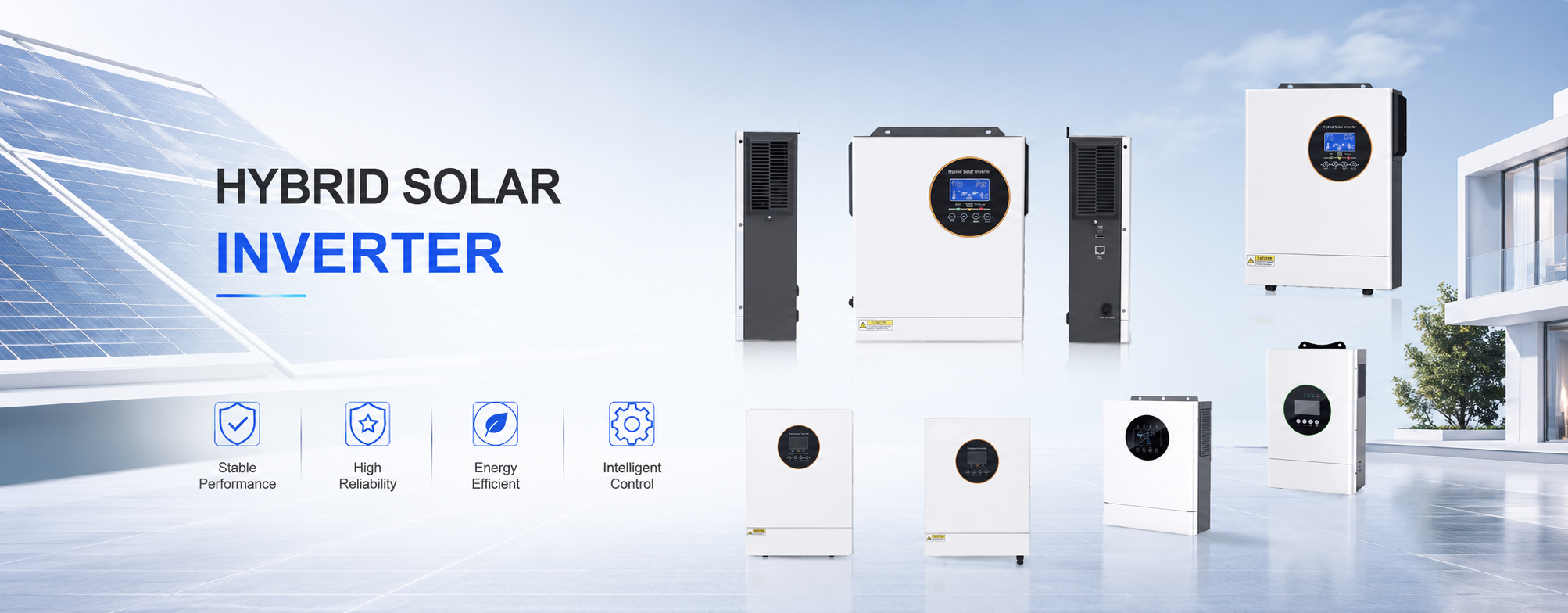
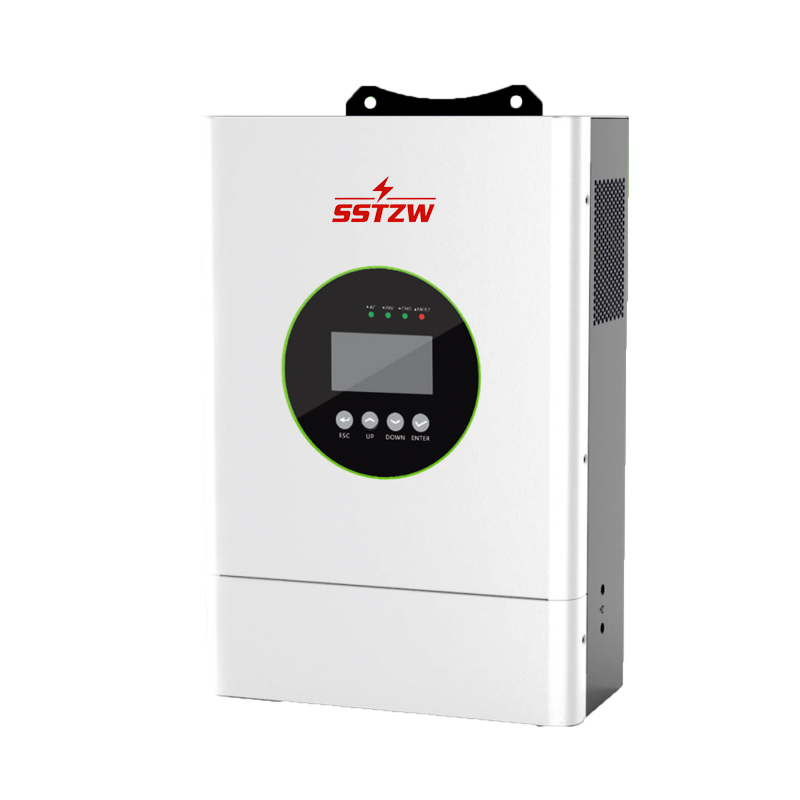
IntroductionFrequent power outages, off-grid rural houses, residential solar self-consumption, and RV outdoor power all rely on inverters. However, many homeowners run into problems after purchase: air conditioners fail to start, refrigerators trip on startup, or household appliances burn out within half a year. These issues almost always stem from incorrect inverter selection.This easy-to-follow guide breaks down inverter selection from 5 core dimensions: usage scenarios, output waveform, power rating, DC battery voltage, and common pitfalls, helping you pick the right home inverter once and for all.1. Three Main Types of Inverters – Match Them to Your NeedsThe first step before buying is to identify your application. These three categories cannot be interchanged, and mismatched units waste your investment.1.1 Grid-Tied Inverters (Best for Urban Homes with Rooftop Solar)Suitable for: Houses connected to utility grids with rooftop solar panels; users who want self-consumption plus selling excess power back to the grid.Core Features:Only operates when grid power is available; auto-shuts down during blackouts (anti-islanding protection mandated by grid safety codes).No batteries required; solar power directly supplies household loads, and surplus electricity flows back to the grid for credits.Two variants: Microinverters and string inverters. Microinverters perform better for shaded rooftops; string inverters suit large roof areas with multiple independent MPPT trackers to minimize power loss.Drawback: Cannot act as backup power during outages; fully relies on grid supply at night.1.2 Off-Grid Inverters (For Rural Homes, Islands, RVs & Standby Power)Suitable for: Remote areas without utility power, locations with regular blackouts, systems needing round-the-clock battery power supply.Core Features:Creates standalone AC power without grid connection; works with solar panels and batteries 24/7.Built-in MPPT solar charge controller to recharge batteries in the daytime; batteries discharge to power appliances after dark.Two designs: Separate charge-invert units and all-in-one hybrid off-grid inverters. All-in-one models simplify wiring and are preferred for residential use.Drawback: Requires large-capacity battery packs, leading to higher upfront system costs.1.3 Hybrid Grid-Tied/Off-Grid Inverters (All-Round Top Pick for Most Families)Suitable for: Households wanting solar savings while avoiding power cut disruptions.Core Features:Runs on grid power for solar feed-in; seamlessly switches to battery-powered off-grid mode the moment the grid fails for uninterrupted loads.Tri-directional energy flow among solar panels, utility grid and batteries – the mainstream choice for modern residential solar setups.Customizable energy logic: Self-consume solar power, store surplus energy in batteries for peak-hour usage to cut electricity bills.2. Only Pure Sine Wave Works for Homes – Modified Sine Wave Is Not RecommendedThree output waveforms exist on the market with massive performance gaps that directly determine the service life of your home appliances.Pure Sine Wave (Only Acceptable Option for Household Use)Its waveform matches commercial grid electricity perfectly with minimal harmonic distortion. Fully compatible with air conditioners, refrigerators, washing machines, computers, speakers and all variable-frequency devices. Motors run quietly without overheating, with zero long-term damage to electronics. High-quality models achieve conversion efficiency above 95% for maximum energy savings.Modified Sine Wave (Only for Temporary Resistive Loads)Half the price of pure sine wave units but generates stepped approximate waveforms. Running compressors or variable-frequency equipment will cause frequent refrigerator shutdowns, loud AC noise, overheated PC power supplies and speaker static. Long-term operation risks permanent damage to precision electronics. Only fit simple resistive loads like light bulbs and electric heaters – never for full home use.Square Wave (Obsolete, Avoid Completely)Outdated low-end products that cause violent vibration in motors once connected. Not fit for any household scenario.3. How to Calculate Required Power –  Most Buyers Make Inverters list two power ratings: Continuous Rated Power and Peak Surge Power. Both figures must be checked, especially for appliances with electric motors such as fridges and air conditioners.Basic Calculation FormulaMinimum Inverter Rated Power ≥ Total Wattage of All Simultaneously Running Loads ÷ 0.9 × 1.2 (20% safety margin reserved)Critical Note: Multiply Power for Motor StartupRefrigerators, air conditioners, water pumps and washing machines draw 3–7 times their rated current during startup:Variable-frequency AC startup power = 4 × rated powerFixed-frequency fridge / AC startup power = 7 × rated powerCalculation ExampleSimultaneous loads: 200W fridge, 1500W variable-frequency AC, 300W TV, 100W lightingCalculation: (200×7 + 1500×4 + 300 + 100) ÷ 0.9 × 1.2 ≈ 10,800WA minimum 10kW pure sine wave inverter is required.Home Power Selection ReferenceSmall apartment emergency use (lights, TV, mini fridge): 1,500W – 3,000W2-bedroom full basic loads (1HP AC + kitchen appliances): 4kW – 6kW3-bedroom complete household (2HP AC, water heater, washing machine): 8kW – 10kWLarge self-built house heavy loads (3HP cabinet AC, electric water heater): 10kW and above4. Match DC Battery Voltage – Avoid 12V for High-Power SystemsOff-grid and hybrid inverters feature 3 common DC input voltages: 12V, 24V, 48V, which must perfectly match your battery bank series setup – mixing voltages burns equipment instantly.12V: Only for inverters under 1,500W, suitable for small RV portable systems. High current leads to overheated thin cables for heavy loads.24V: Mid-range home systems from 2kW to 4kW, ideal small-home backup power.48V: Standard for whole-house inverters over 4kW. Lower current reduces cable loss and heat generation, the unified recommended voltage for full-home solar & energy storage systems.Reminder: A 48V inverter only works with four 12V batteries wired in series; mismatched voltage configurations will destroy the unit.5. Five Non-Negotiable Standards for Inverter Purchase5.1 Conversion Efficiency ≥ 94%Premium residential inverters meet a minimum full-load efficiency of 94%. Every 1% efficiency drop wastes hundreds of kWh annually, far exceeding the initial price difference. Prioritize models maintaining over 90% efficiency under 20% light loads for daily low-power operation savings.5.2 Full Set of Safety Protection FunctionsMandatory protections: Low DC voltage shutdown, overvoltage protection, overload protection, short-circuit protection, thermal power derating, surge lightning protection. For mountainous thunderstorm-prone areas, select units with IP54 or higher dust & waterproof ratings.5.3 Optimized Heat DissipationChoose models with intelligent temperature-controlled dual cooling fans with variable speed for quiet long-hour operation. Single-fan units or those without thick aluminum heat sinks risk overheating shutdowns in summer.5.4 Intelligent Remote MonitoringBuilt-in mobile APP support to track power generation, real-time load wattage and battery SOC; remote parameter adjustment simplifies daily maintenance.5.5 Warranty TermGrid-tied inverters require a minimum 5-year warranty; hybrid energy storage all-in-one inverters are recommended with 6–10 year coverage. Inverters are long-term core equipment, so reliable after-sales service is critical.6. Five Common Misconceptions for First-Time BuyersMisconception 1: Only Look at Peak Power, Ignore Continuous Rated PowerMany merchants advertise 6,000W peak output with a true continuous rating of only 3,000W, triggering immediate shutdowns under sustained heavy loads. Always judge by continuous rated power; peak ratings only handle split-second startup surges.Misconception 2: Save Money on Modified Sine Wave UnitsModified sine wave inverters cost several hundred less upfront but lead to expensive motor repairs for fridges and air conditioners within half a year – repair fees far outweigh the initial savings.Misconception 3: Run Full House Loads on 12V Low-Voltage BatteriesHigh-power 12V systems draw hundreds of amps, creating severe fire hazards from overheated thin wires. All systems above 4kW must adopt 48V architecture.Misconception 4: Use Grid-Tied Inverters as Blackout Backup PowerGrid-tied inverters lack off-grid energy storage capability and cut power the second the grid fails. Select hybrid models if you require emergency backup.Misconception 5: Over-Size Solar Panels Without Proper DC/AC RatioThe recommended solar panel total power is 1.1–1.2 times the inverter rating. Excess PV capacity triggers power limiting under strong sunlight, wasting potential generation output.7. Quick Selection Cheat Sheet for Direct ReferenceUrban residential solar, no blackout backup needed: String-type pure sine wave grid-tied inverterOff-grid rural homes / frequent outages, full-house energy storage: 48V pure sine wave hybrid inverterRV & temporary outdoor small loads: 12V / 24V compact off-grid pure sine wave inverterAll household scenarios: Never choose modified or square wave invertersPower calculation rule: Factor in motor startup surge multipliers and reserve a 20% power marginConclusionThe inverter acts as the core heart of solar power and backup energy systems, with a service lifespan up to a decade if properly selected. There is no need to oversize blindly; simply match the unit to your household load profile, account for appliance startup surges, and stick to pure sine wave output to avoid 99% of purchasing mistakes.Save this guide if you plan to install rooftop solar or backup power – cross-check all technical parameters before placing your order!
Variable Frequency Power Supply: Functions, Applications and How to Choose the Right One for Industrial Use
07/14 2026
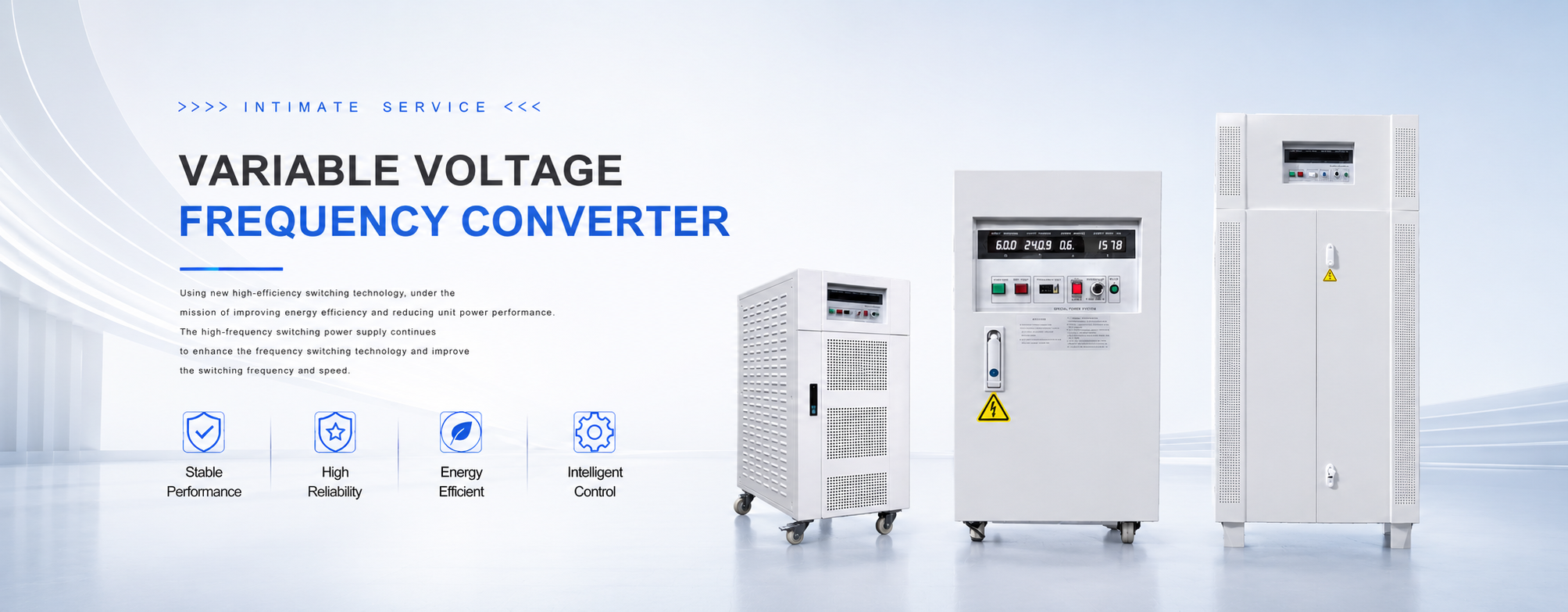
In modern industrial manufacturing, product testing, laboratory verification and overseas equipment debugging, a stable and adjustable Variable Frequency Power Supply (VF Power) has become essential core equipment. Unlike ordinary power sources, variable frequency power can freely adjust output voltage, frequency and waveform to simulate power grid standards of different countries, solving unstable power, frequency mismatch and equipment incompatibility problems in industrial production and product export testing.More and more global manufacturers and testing institutions begin to replace traditional fixed power equipment with high-precision variable frequency power supplies. This article introduces the core functions, main application scenarios and key purchasing guidelines of industrial variable frequency power supplies.1. What is a Variable Frequency Power Supply?Variable frequency power supply is a professional AC power supply device that can stably convert conventional mains power into adjustable voltage and adjustable frequency pure sine wave power. It features high stability, low distortion and strong anti-interference ability. It can simulate 50Hz / 60Hz power standards in Europe, America, Southeast Asia, Africa and other regions, and support wide-range voltage output.2. Main Industrial Application Scenarios• Overseas Export Simulation TestSimulate different national grid voltage and frequency to ensure that export equipment can adapt to local power conditions and avoid failure after overseas shipment.• Industrial Precision Equipment MatchingStabilize instantaneous voltage fluctuation, avoid equipment burnout and data deviation caused by grid instability, and improve production yield.The market is flooded with low-cost variable frequency power products with uneven quality. Many buyers encounter problems after purchase:These unqualified devices will directly cause test failure, unqualified product inspection and even damage to precision industrial equipment.High Stability & Low Distortion RateIndustrial-grade VF power must maintain pure sine wave output with extremely low distortion rate to ensure accurate test results.Wide Frequency & Voltage Adjustable RangeSupport global 50Hz/60Hz frequency switching and multi-range voltage adaptation to meet different country standards.3. Common Quality Defects of Low-Grade Variable Frequency Power• Waveform distortion, not pure sine wave, leading to inaccurate test data • Frequency and voltage jitter, poor stability under long-term load • False parameter labeling, unable to reach the marked power • Poor heat dissipation design, easy overheating and shutdown • No professional calibration, cannot meet industrial testing standards4. How to Select a Qualified Industrial Variable Frequency Power SupplyTrue Standard Power & Real Parameter OutputAvoid virtual power products. Formal industrial models support long-term full-load operation without attenuation.Complete Protection FunctionsOver-current, over-voltage, over-load and over-temperature protection ensures long-term safe operation in industrial environments.5. ConclusionVariable frequency power supply is not only a power supply device, but also a core tool for industrial quality control and export standard verification. High-quality industrial variable frequency power can effectively improve production accuracy, standardize product testing standards and reduce export failure risks. When purchasing, buyers should focus on stability, waveform accuracy and real industrial-grade performance instead of simply pursuing low prices.
Buying Voltage Stabilizers from China: Key Tips to Avoid Common Scams & Quality Traps
07/13 2026
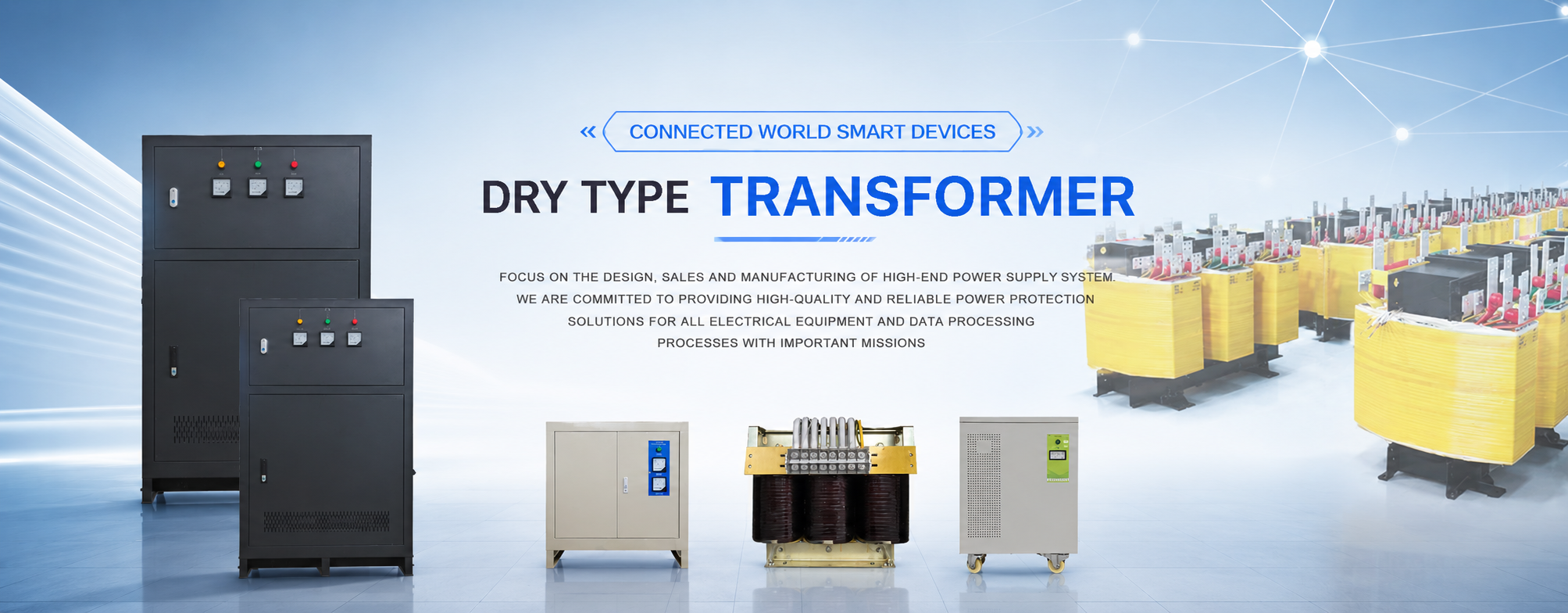
China is the world’s largest manufacturing base for voltage stabilizers and power transformers, offering complete product ranges, flexible customization and competitive prices. However, the market is mixed with countless small assembly workshops, unqualified OEM factories and unprofessional trading sellers. Many overseas buyers fall into quality traps caused by false parameter labeling, material cutting corners, thin chassis, unprofessional sales guidance and ultra-low-price scams, resulting in equipment failure, project delays, extra maintenance costs and even safety hazards.For global engineering contractors, bulk procurement traders and enterprise end-users, understanding the hidden quality risks when sourcing stabilizers from China is essential to selecting reliable equipment and ensuring long-term stable operation. This article summarizes the most common industry pitfalls and practical buying guidelines.1. Avoid False Power Labeling & Hidden Cutting CornersFalse power marking is the most common scam in the low-end stabilizer market. Many irregular factories mark nominal power (KVA) as actual working power, or inflate product parameters falsely to attract buyers. In actual operation, such equipment cannot bear rated load, and is prone to overheating, tripping, voltage instability and burnout under long-term industrial working conditions.In addition, many manufacturers cut corners on core raw materials to reduce costs: using recycled copper wire instead of pure copper wire, applying thin and inferior silicon steel sheets for transformers, and replacing standard high-temperature resistant insulating materials with cheap ordinary materials. These shoddy materials greatly reduce equipment heat resistance, load capacity and service life, leading to frequent failures in high-temperature, high-load and unstable grid environments common in Africa, the Middle East and Southeast Asia.2. Thin Chassis & Rough Craftsmanship Lead to Poor DurabilityFormal industrial stabilizers adopt thickened steel chassis with anti-rust and anti-corrosion spraying technology, which can resist vibration, collision and environmental erosion during long-term outdoor and factory operation. In contrast, low-cost shoddy products use ultra-thin iron sheets for the chassis, with uneven welding, rough internal wiring and unreasonable structural design.Thin chassis cannot buffer equipment vibration during operation, easily causing internal component displacement and wire loosening. Meanwhile, poor heat dissipation design and unqualified shell protection level will lead to dust accumulation, moisture ingress and accelerated component aging, greatly shortening the service life of the stabilizer.3. Beware of Ultra-Low-Price Traps: Too Cheap Equals Hidden RisksMany overseas buyers prioritize low prices and easily accept quotations far lower than the industry average. In the power equipment industry, prices are closely linked to material cost, process standard and quality control. Ultra-low prices must mean reduced configuration and quality cutting.Unqualified suppliers reduce costs by downgrading core materials, canceling full-load aging tests, simplifying production processes and omitting quality inspection procedures. Although the upfront procurement cost is low, the equipment is prone to frequent failures, requiring repeated maintenance and part replacement. In severe cases, it will cause production shutdowns and project losses, bringing far higher comprehensive costs than purchasing standard high-quality equipment.4. Unprofessional Sales Teams Cause Wrong Model Selection & Mismatched SolutionsVoltage stabilizer and transformer selection requires professional electrical knowledge, combined with local grid voltage fluctuation range, load type, working environment and running time. Many small traders and unprofessional sales personnel only pursue orders, lacking professional product knowledge and project matching experience.They often recommend over-standard or under-standard models blindly, fail to match appropriate IP protection levels, voltage ranges and frequency parameters according to the buyer’s local power grid conditions, and ignore special requirements for industrial heavy-load and long-term continuous operation. Wrong selection will directly cause the equipment to fail to start, fail to stabilize voltage normally, or be damaged soon after use, unable to meet project operation requirements.5. No Standard Certification & After-Sales GuaranteeMost low-price shoddy stabilizers do not have complete ISO quality system certification, CE-LVD safety certification and official third-party test reports, which cannot pass local customs clearance and project acceptance. Meanwhile, these informal suppliers do not have standardized after-sales systems, providing no professional installation guidance, technical debugging and overseas after-sales support.Once the equipment fails overseas, buyers cannot obtain timely technical solutions and spare parts support, resulting in long-term equipment shutdown and huge economic losses.Core Buying Guidelines: How to Choose Reliable Chinese Stabilizer SuppliersFirst, prioritize professional sales person rather than a new person or small assembly workshops. Regular factories have standardized production lines, complete testing equipment and independent R&D capabilities, with controllable material quality and process standards.Second, verify product parameters and certifications strictly. Request suppliers to provide real test reports, factory production photos and videos, and confirm the use of pure copper materials, standard thickened chassis and complete aging testing procedures to avoid false labeling and cutting corners.Third, stay away from ultra-low-price orders and focus on cost performance rather than single low price. Reasonable profit margins are the foundation of stable product quality and standardized after-sales service.Fourth, inspect the professionalism of the sales and technical team. Reliable suppliers can provide one-stop professional solutions including model selection optimization, scheme customization, export certification and overseas technical support according to local grid conditions.Conclusion: Quality First for Long-Term Overseas CooperationSourcing voltage stabilizers and transformers from China is cost-effective, but buyers must avoid low-quality traps caused by false parameters, shoddy materials, rough craftsmanship and unprofessional services. Choosing a qualified, experienced and formal source factory is the core guarantee for obtaining stable-quality power equipment, ensuring smooth project operation and realizing long-term win-win cooperation.
Shenzhen SST Power Co.,Ltd Launches New Rack-mounted UPS, Leading a New Revolution in Power Protection
07/21 2025
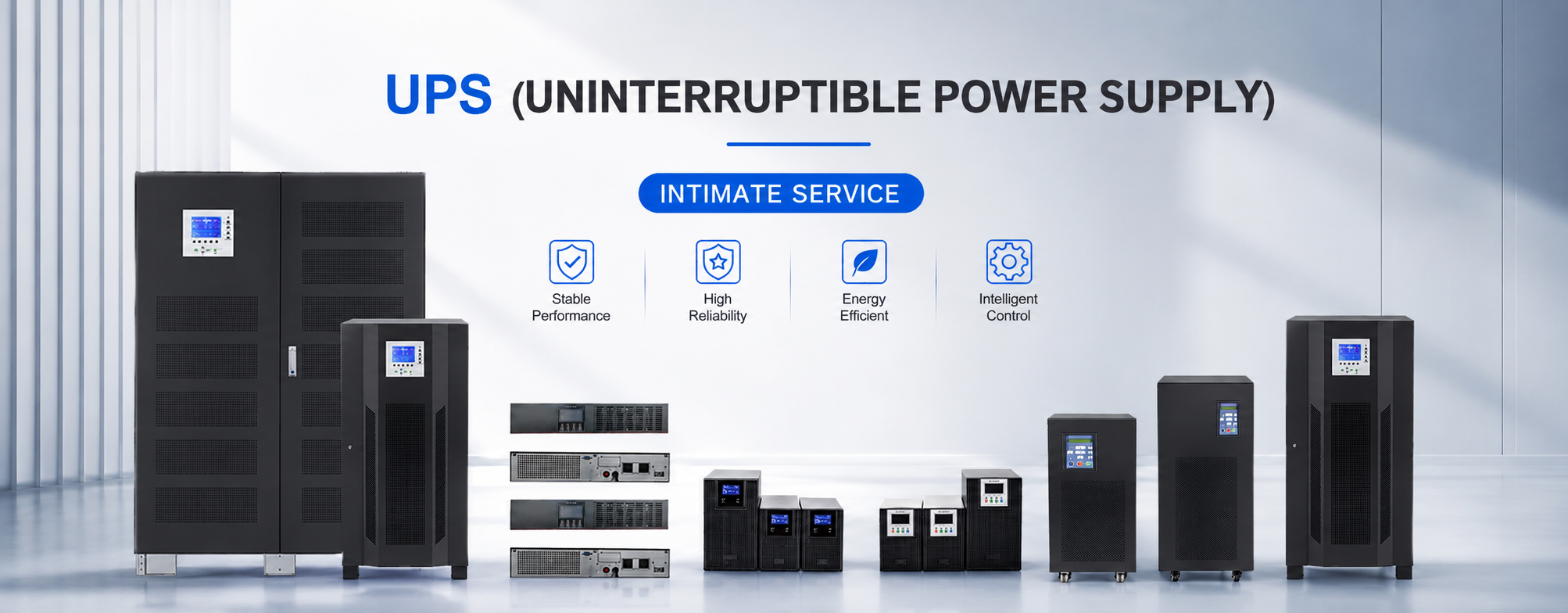
Recently, Shenzhen SST Power Co.,Ltd has launched a new rack-mounted UPS that has made a striking entry into the market. This product offers more reliable power protection for the stable operation of critical equipment across various industries, quickly becoming a market focus with its outstanding performance and innovative design, and is expected to reshape the power protection landscape.The rack-mounted UPS adopts an advanced double-conversion online architecture, effectively blocking the impact of abnormal power supplies on loads and ensuring stable, precise, and reliable output power. When confronted with complex power issues such as mains power outages, voltage fluctuations, and frequency instability, it can achieve 0ms switching, providing uninterrupted and high-quality power supply to loads. With an output power factor of up to 1.0, its load-carrying capacity is significantly enhanced, enabling efficient matching with various IT equipment and reducing operational costs.The product features an ultra-wide input voltage range (110Vac - 300Vac), adapting to diverse harsh power grid environments. It operates stably whether in remote areas with unstable voltages or industrial scenarios with strong grid interference. The wide frequency range of 40 - 70Hz not only complies with power grid frequency standards in multiple regions but also efficiently collaborates with generators to ensure continuous and stable power supply. Additionally, the mains recovery delay startup time can be set to flexibly respond to grid fluctuations and reduce the impact on the power grid when equipment starts.In terms of intelligent management, this rack-mounted UPS supports multiple intelligent communication cards, allowing easy integration into existing monitoring and management systems for remote real-time monitoring and operation. Users can check the equipment's operating status and receive fault alarm information at any time via mobile APP or computer terminals, greatly improving operation and maintenance efficiency. Its intelligent charging function employs a three-stage charging mode combined with automatic temperature compensation, effectively extending battery life and increasing charging speed.In terms of size design, the product has a height of less than 2U and a width and depth of less than 500mm. Its compact size enables flexible adaptation to various installation environments with limited space, making it particularly suitable for scenarios with high space utilization requirements such as data centers, enterprise computer rooms, and communication base stations. Moreover, it boasts excellent mute performance, with automatically adjustable fan speed, and its minimum noise meets the first-class mute standard of libraries, offering an ideal choice for noise-sensitive environments.As the digitalization process accelerates, industries have increasingly stringent requirements for power protection. The rack-mounted UPS launched by Shenzhen SST Power Co.,Ltd accurately meets market demands, builds a solid defense for data security and continuous business operation, and is set to play a significant role in the power protection field, driving the industry to new heights.
Diesel generator and Online UPS(Uninterruptible Power Supply) matching solution
11/04 2024
Generally, diesel generators distribute power to UPS systems, due to UPS interference such as harmonic feedback and sudden changes in load current, the ratio given by the design institute is 3:1, which means the capacity of the diesel generator needs to be 3 times the maximum load of the UPS.  But in fact, in GDS, CICC Data, and actual interconnected data centers, the optimal  ratio between diesel generators and UPS is 2 or 1.5:1, which not only reduces the cost but also improves energy utilization.When the UPS is used in conjunction with a generator, only a small amount of backup battery is needed for the UPS to prepare for switching.( Back-up time can be 5 to 15 minutes).  The conversion between the generator and the mains power can be done manually or with an automatic switching device (ATS). When the mains fails, the automatic switching device (ATS) will automatically switch to the generator, and the generator will automatically start after a certain time delay to provide power protection.In practical applications, different customers have different availability requirements for the power supply system, so the configuration methods of UPS and generators are also different. The following are the most common and economical options.As shown in the figure, the diesel generator is used as the backup power supply of the mains. When the mains power fails, since the generator takes a certain time to start and cannot provide instantaneous power, the UPS uses the battery to provide uninterrupted power supply. Shenzhen SST Power UPS is with ZERO Switch Time, it can play a very good role in protecting the user's load equipment. After the generator is running stably, the input of the UPS is switched from the mains to the generator to prevent the system power supply from being interrupted due to battery exhaustion. This solution can effectively solve the problem of instantaneous power outages and long-term power outages and ensure the continuity of equipment work. We have just shipped a 200KVA/160KW low frequency online UPS, equipped with a diesel generator, providing customers with a perfect solution and effectively protecting their load equipment.If you want to know more about UPS performance or supporting solutions, please contact our sales to learn more.
1KVA 2KVA 3KVA Single Phase Online UPS 100V 110V 120V 127V 115V Online Uninterruptible power supply with built in batteries
10/15 2024
1-6kVA Low-Voltage 110V 115V 120V 127V Online UPS SpecificationsFeatures:Zero switching timeDouble conversion pure online type, zero conversion time for battery mains power supply mode switching, support fixed frequency output, effectively ensure the reliability of load power supply.Adopt DSP digital control technologyAdopt advanced DSP digital control technology to provide stable and reliable sine wave power supply.Ultra-wide input voltage frequency range55-145Vac extremely wide input voltage and 40~70Hz frequency input range, compatible with harsh power environment, reduce battery discharge times and improve battery lifeExcellent load adaptability50Hz/60Hz power system self-adaptation, can support output 100/110/115/120/127V, 50/60Hz, widely adapt to various voltage and frequency standard equipment.Can be used with generatorWide input voltage and frequency range, can effectively isolate the bad power generated by the generator, and provide a pure, safe and stable power supply for the loadHigh input power factorUsing active power factor correction technology (PFC), the input power factor is above 0.99, effectively avoiding grid pollution and effectively reducing electricity billsReliable Product DesignAll glass fiber double-sided circuit material, with large span components, strong, corrosion-resistant, greatly improving environmental adaptability.Dust-proof designReasonable air duct design and three-proof paint coating can effectively avoid the accumulation of dust pollutants and corrode the circuit.Open designPowerful DSP core and open design architecture make the machine highly customizable, suitable for automation and intelligent monitoring system.ModelC1K-LVC1KS-LVC2K-LVC2KS-LVC3K-LVC3KS-LVC6K-LVC6KS-LVPower RatingVA/W1kVA/800W2kVA/1.6kW3kVA/2.4kW6kVA/5kWTypeDouble Conversion Online UPSInput & OutputSingle-phase input/Single-phase outputInputInputSingle-phase two-line (L,N)+ GroundInput VoltageL-N: 55~145VACFrequency40Hz-70HzPower Factor≥0.99OutputOutputSingle-phase two-line (L,N)+ GroundRated Voltage  110/115/120/127VACAccuracy±2%Frequency50/60±4Hz(Phase lock follows the mains)  /   50/60Hz±0.1%(Fixed frequency mode)Output WavePure sine waveOutput Distortion (THDV%)<2%(Linear load)<7%(Non-linear load)Overload Capacity1min@105%~125% rated load10s@125%~150% rated load0.5S@>150% rated load10min@105%~125%60s@125%~150%0.5S@>150%Efficiency Mains Mode88%89%90%92%Battery Mode85%86%87%90%BatteryandChargerBattery voltage/quantity①24VDC/2pcsInternal Battery36VDCExternalBattery48VDC/4pcsInternal Battery72VDCExternalBattery72VDC/6pcsInternal Battery96VDCExternalBattery144VDC/12pcsInternal Battery192VDCExternalBatteryBattery Capacity12V/7AHExternal battery decision12V/7AHExternal battery decision12V/7AHExternal battery decision12V/7AHExternal battery decisionBackup TimeHalf load ≥ 6 minutesHalf load ≥ 6 minutesHalf load ≥ 6 minutesHalf load ≥ 6 minutes  Charge CurrentStandard machine (battery built-in): 1ALong-term machine (external battery): 4AStructural ShapeCabinetTower/RackTower TypeC1KS: 145(W)X220(H)x250(L)mmC1K, C2KS: 145(W)X220(H)x318(L)mmC2K: 145(W)X220(H)x390(L)mmC3K/3KS: 190(W) x 318(H) x 368(L)mmC5KS-LV190(W)x360(H)x528(L)Rack size3KR/5KRS: 438mm(W) x 88mm(2U)(H) x 500mm(D)All other models L/S: 438mm(W) x 88mm(2U)(H) x 360mm(D)Weight Kg8.94.2145.921.68.33716Human Machine Interface LCD DisplayDisplay show input and output voltage, frequency, load percentage, working mode, machine statusCommunication InterfaceStandard RS232Expansion card slotOptional network monitoring card, support PC, mobile phone remote monitoring, MODBUS, dry contact card.Environment Temperature-10~45oCHumidity0-98% (No condensation)Noise<50dB @ 1 meters
Manufacturer of UPS power supply for medical equipment--Shenzhen SST Power
10/15 2024
Uninterruptible power supply systems are used to provide backup power during power outages or fluctuations to ensure that hospitals can continue to operate normally in the event of power failures or other electrical problems. Many critical equipment and systems in hospitals, such as operating rooms, ICUs, emergency rooms, laboratories, etc., have high requirements on the reliability of power supply, because power interruptions may have a serious impact on patient safety and medical services. A hospital UPS system usually consists of one or more UPS hosts, batteries and battery cabinet, and power input and output wires connected to the hospital power system. Medical systems, especially equipment such as CT machines and X-ray machines, must be equipped with UPS power supplies.How to choose the right medical ups power supply?1. An online UPS uninterruptible power supply with zero switching time needs to be selected.2. When supplying power to capacitive loads such as computers, its rated output power should be greater than 1.5 times the sum of the rated power of each computer equipment, and when supplying power to other electrical equipment, it should be 1.3 times the maximum calculated load.3. The inrush current of the load shall not exceed 150% of the rated current of the UPS.How to choose the UPS power supply for the hospital-related equipment? The following equipment options are suggested for your reference.1. Color ultrasound, biochemical analyzer, blood cell analyzer, plasma collector, electrolyte analyzer, chemiluminescence immunoassay analyzer, CT and nuclear magnetic resonance workstation and other equipment, basically 3000VA UPS uninterruptible power supply is enough for a single instrument, For some higher power models, 6000VA is enough.2. CT and nuclear magnetic resonance machines need industrial low frequency on-line uninterruptible power supplies with three-phase four-wire isolation transformers. The power is basically between 80KVA and 160KVA, of which 120KVA is used for CT machines, and 100KVA and 160KVA are used for nuclear magnetic resonance machines.3. According to statistics, medical equipment in general villages and towns in China is disturbed by power supply more than 40 times a month, mainly including voltage changes, power outages (including short-term power outages measured in milliseconds), phase loss, and poor phase balance. Among these interferences, a large part is easy to be ignored because the naked eye cannot detect and distinguish them, but it usually affects the normal and safe use of the equipment.Shenzhen SST Power Co., Ltd.'s medical dedicated UPS power supply is of high quality, reasonable price and first-class service. For medical equipment with different power ratings, there are special models for different requirements. If you want to know more about medical UPS power supply, you can directly log on to the company's website and consult their customer service.

WhatsApp
Skype
Wechat