1. Avoid False Power Labeling & Hidden Cutting Corners
False power marking is the most common scam in the low-end stabilizer market. Many irregular factories mark nominal power (KVA) as actual working power, or inflate product parameters falsely to attract buyers. In actual operation, such equipment cannot bear rated load, and is prone to overheating, tripping, voltage instability and burnout under long-term industrial working conditions.
In addition, many manufacturers cut corners on core raw materials to reduce costs: using recycled copper wire instead of pure copper wire, applying thin and inferior silicon steel sheets for transformers, and replacing standard high-temperature resistant insulating materials with cheap ordinary materials. These shoddy materials greatly reduce equipment heat resistance, load capacity and service life, leading to frequent failures in high-temperature, high-load and unstable grid environments common in Africa, the Middle East and Southeast Asia.
2. Thin Chassis & Rough Craftsmanship Lead to Poor Durability
Formal industrial stabilizers adopt thickened steel chassis with anti-rust and anti-corrosion spraying technology, which can resist vibration, collision and environmental erosion during long-term outdoor and factory operation. In contrast, low-cost shoddy products use ultra-thin iron sheets for the chassis, with uneven welding, rough internal wiring and unreasonable structural design.
Thin chassis cannot buffer equipment vibration during operation, easily causing internal component displacement and wire loosening. Meanwhile, poor heat dissipation design and unqualified shell protection level will lead to dust accumulation, moisture ingress and accelerated component aging, greatly shortening the service life of the stabilizer.
3. Beware of Ultra-Low-Price Traps: Too Cheap Equals Hidden Risks
Many overseas buyers prioritize low prices and easily accept quotations far lower than the industry average. In the power equipment industry, prices are closely linked to material cost, process standard and quality control. Ultra-low prices must mean reduced configuration and quality cutting.
Unqualified suppliers reduce costs by downgrading core materials, canceling full-load aging tests, simplifying production processes and omitting quality inspection procedures. Although the upfront procurement cost is low, the equipment is prone to frequent failures, requiring repeated maintenance and part replacement. In severe cases, it will cause production shutdowns and project losses, bringing far higher comprehensive costs than purchasing standard high-quality equipment.
4. Unprofessional Sales Teams Cause Wrong Model Selection & Mismatched Solutions
Voltage stabilizer and transformer selection requires professional electrical knowledge, combined with local grid voltage fluctuation range, load type, working environment and running time. Many small traders and unprofessional sales personnel only pursue orders, lacking professional product knowledge and project matching experience.
They often recommend over-standard or under-standard models blindly, fail to match appropriate IP protection levels, voltage ranges and frequency parameters according to the buyer’s local power grid conditions, and ignore special requirements for industrial heavy-load and long-term continuous operation. Wrong selection will directly cause the equipment to fail to start, fail to stabilize voltage normally, or be damaged soon after use, unable to meet project operation requirements.
5. No Standard Certification & After-Sales Guarantee
Most low-price shoddy stabilizers do not have complete ISO quality system certification, CE-LVD safety certification and official third-party test reports, which cannot pass local customs clearance and project acceptance. Meanwhile, these informal suppliers do not have standardized after-sales systems, providing no professional installation guidance, technical debugging and overseas after-sales support.
Once the equipment fails overseas, buyers cannot obtain timely technical solutions and spare parts support, resulting in long-term equipment shutdown and huge economic losses.
Core Buying Guidelines: How to Choose Reliable Chinese Stabilizer Suppliers
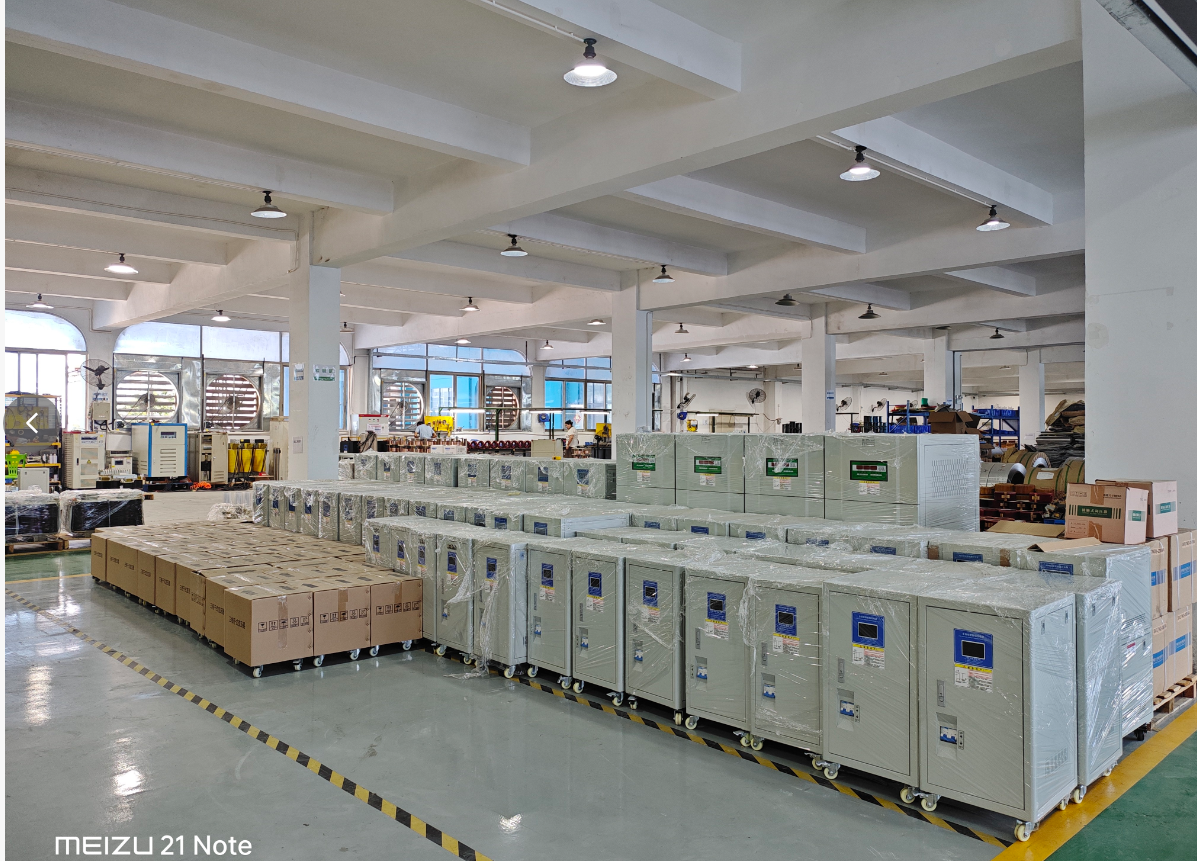
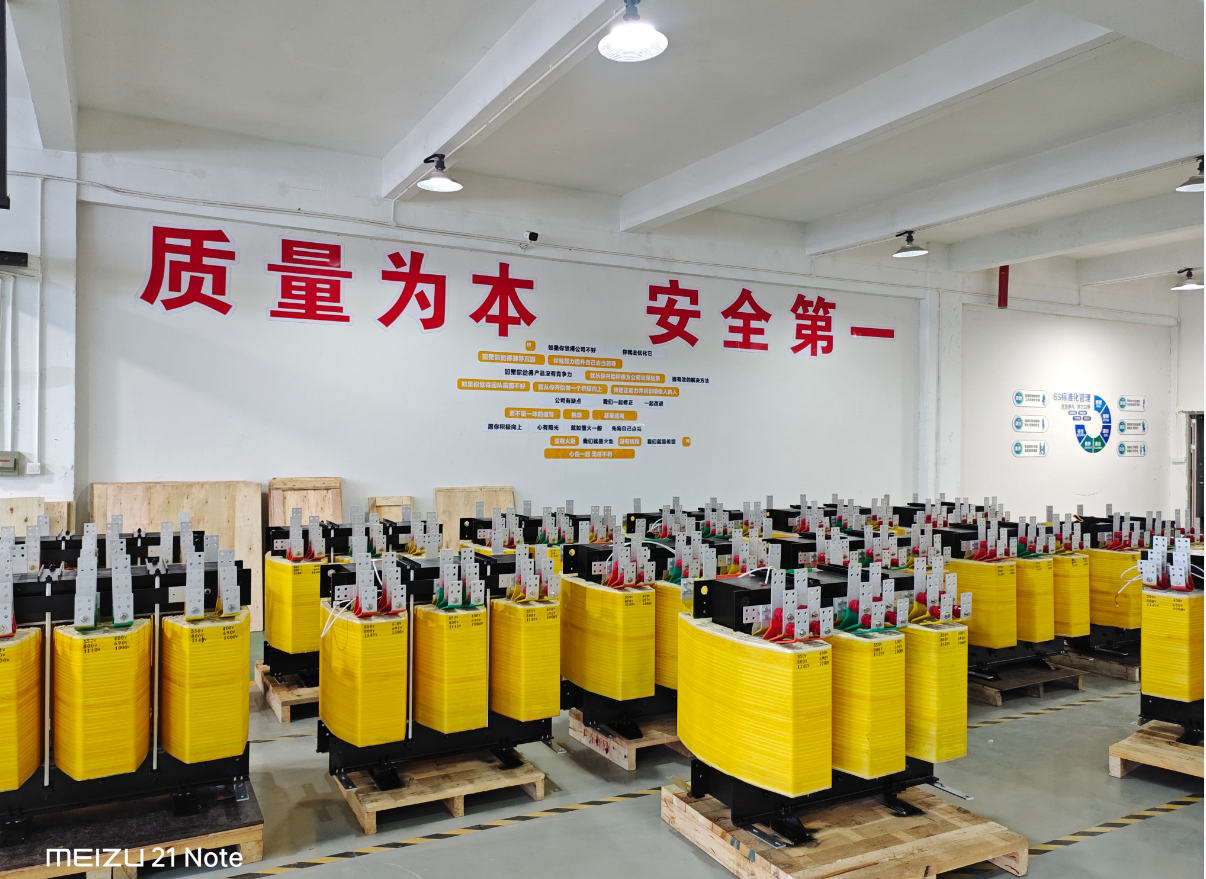
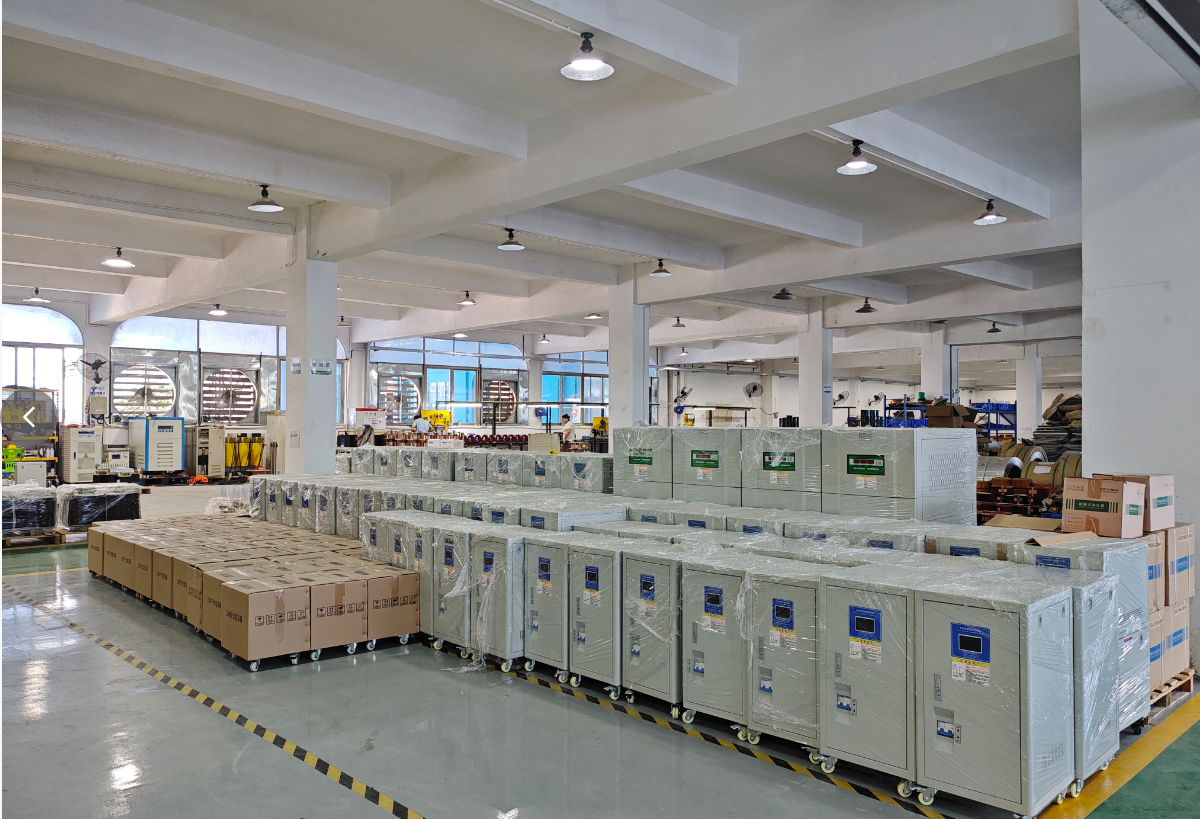
First, prioritize professional sales person rather than a new person or small assembly workshops. Regular factories have standardized production lines, complete testing equipment and independent R&D capabilities, with controllable material quality and process standards.
Second, verify product parameters and certifications strictly. Request suppliers to provide real test reports, factory production photos and videos, and confirm the use of pure copper materials, standard thickened chassis and complete aging testing procedures to avoid false labeling and cutting corners.
Third, stay away from ultra-low-price orders and focus on cost performance rather than single low price. Reasonable profit margins are the foundation of stable product quality and standardized after-sales service.
Fourth, inspect the professionalism of the sales and technical team. Reliable suppliers can provide one-stop professional solutions including model selection optimization, scheme customization, export certification and overseas technical support according to local grid conditions.
Conclusion: Quality First for Long-Term Overseas Cooperation
Sourcing voltage stabilizers and transformers from China is cost-effective, but buyers must avoid low-quality traps caused by false parameters, shoddy materials, rough craftsmanship and unprofessional services. Choosing a qualified, experienced and formal source factory is the core guarantee for obtaining stable-quality power equipment, ensuring smooth project operation and realizing long-term win-win cooperation.








 +86-18718357506
 daisy@sstpowerltd.com
 English

 Español
 русский
 Français
 Deutsch
 عربي
عربي
 Portuguê
 Italiano
 한국어
한국어